Knock Down Rebuild or Renovate? How to Decide for an Older NSW Home
Renovate when the structure is sound and the layout mostly works. Knock down and rebuild when you would be replacing the footings, roof, services and floor plan anyway: a new home priced from a complete design is often the more certain path.
Knock Down Rebuild or Renovate: The Short Answer
Renovate when the structure is sound and you love the layout; knock down and rebuild when you would be replacing most of the house anyway. If a renovation would mean new footings, a new roof, new services and a new floor plan, you are paying to work around an old building, with less certainty on cost than a new home built from a complete design.
The decision usually comes down to five things: the condition of the house, how much of the layout you want to change, the block, the approvals, and how you will live during the build.
Five Questions That Decide Renovate vs Rebuild
1. What condition is the structure in?
Termite damage, failing footings, sagging floors or a tired roof all push toward a rebuild. A solid brick home with good bones pushes toward renovating. A building inspection answers this before anyone draws plans.
2. How much of the floor plan do you want to change?
Moving the kitchen, opening the back of the house to the garden and adding bedrooms is a different job from updating finishes. When most walls move, a rebuild is often the simpler path.
3. Does the block suit a new home?
A rebuild lets the new home face north, sit better on a slope or make room for a second dwelling. On a steep block, keeping the existing footprint and footings can be the cheaper answer, so the block can argue either way; our guide to building on a sloping block covers the design options.
4. Which approvals apply?
A new home and the demolition can often be approved together as complying development, but heritage conservation areas, bushfire prone land and flood controls can mean a development application. Renovations have their own rules, covered in our approvals guide.
5. Can you live somewhere else during the build?
A knockdown rebuild means moving out for the whole build. A staged renovation can sometimes let you stay, which saves rent, but is slower and harder to price.
Knockdown Rebuild vs Renovation Compared
| Knock down rebuild | Major renovation | |
|---|---|---|
| Best for | Homes needing structural work, a new layout and new services | Sound homes where the layout mostly works |
| Design freedom | Full: orientation, levels, a second dwelling | Limited by the existing structure |
| Cost certainty | Priced from a complete design | Hidden conditions appear once walls are opened |
| Living there | Move out for the whole build | Sometimes possible with staging |
| Approvals | Demolition plus a new home: CDC or DA | CDC or DA for alterations and additions |
| Warranties | Statutory warranties cover the whole new home | Cover the new work, not the old house |
We don't publish prices. Cost depends on the size and finish of the home, the site (slope, access, soil), demolition and asbestos removal, services and approvals. Our building cost guide explains each driver.
How a Knockdown Rebuild Runs in NSW
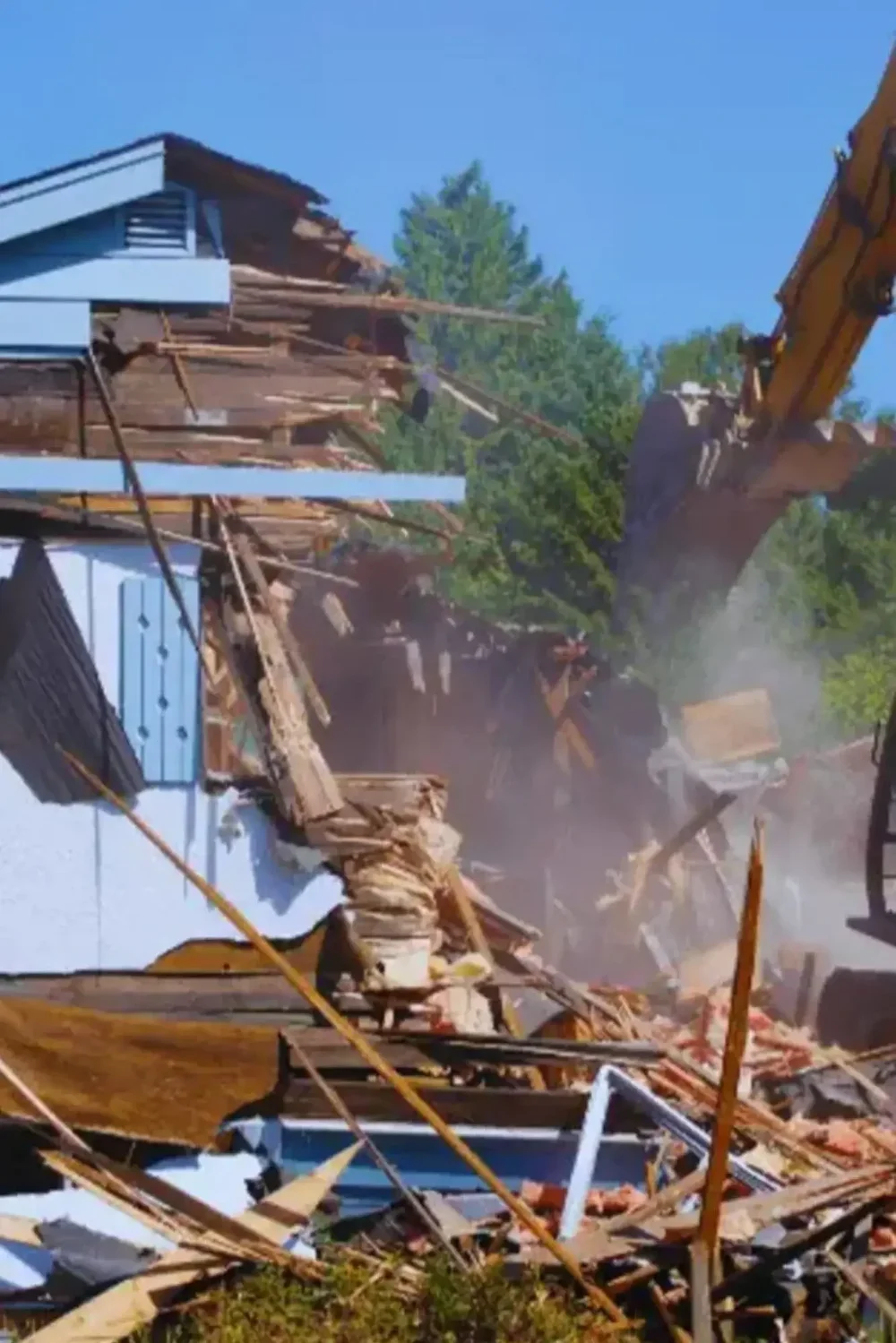
- Site check: the planning certificate, survey and, on a slope, a geotechnical report.
- Design and fixed price: a complete design priced before you sign.
- Approval: a CDC for demolition and the new home together, or a DA.
- Disconnection and asbestos: services disconnected by each authority, and asbestos removed by a licensed removalist before demolition.
- Demolition and build: the old house comes down and the new home is built, with progress payments at each stage.
Asbestos in older homes
Many homes built before the late 1980s contain asbestos, often in fibro sheeting, eaves and wet areas. In NSW, removing friable asbestos needs a Class A licence and removing more than 10 m² of non-friable asbestos needs a Class B licence; SafeWork NSW recommends a licensed removalist for any amount. Complying development for demolition of a pre-1987 building is only available where asbestos can be removed safely.
Sources: NSW Planning Portal, complying development for demolition · SafeWork NSW, asbestos.
Rebuilding on Coastal and Escarpment Blocks South of Sydney
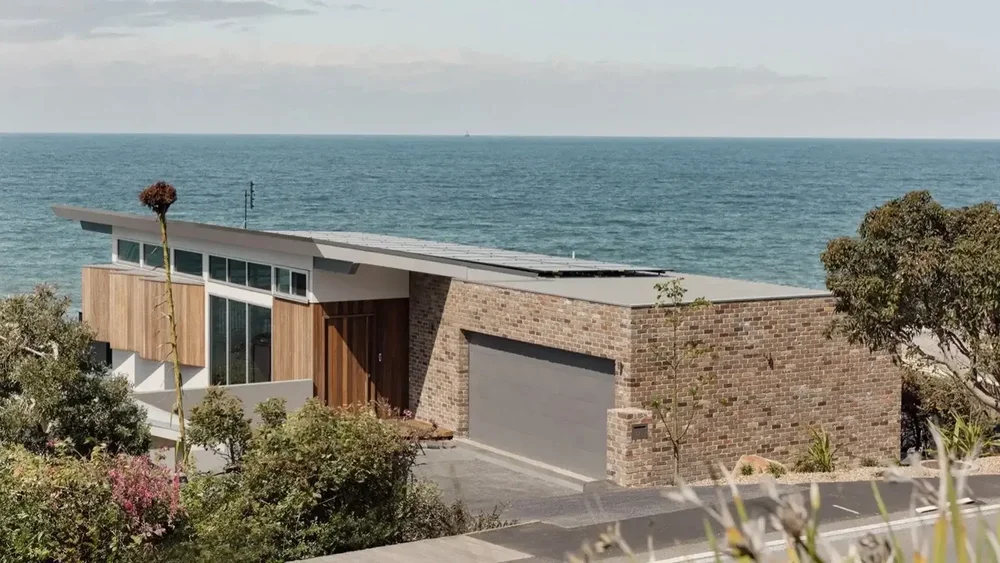
In Sutherland Shire, many knockdown rebuilds replace older brick and fibro homes on regular blocks; our Sutherland Shire knockdown rebuild page covers that work.
South of the Royal National Park the blocks change. From Helensburgh and Stanwell Park down through Coalcliff, Wombarra, Coledale and Austinmer, many lots sit on the slope below the Illawarra Escarpment or on the coast, under the Wollongong LEP 2009 and DCP 2009. Steep sites there are assessed under DCP Chapter E12 (geotechnical assessment of slope instability), and salt exposure and bushfire ratings shape the materials. For homes in that area, see our work on knockdown rebuilds on Wollongong's coastal and escarpment blocks, which runs from our Unanderra office and includes the award-winning clifftop rebuild at Wombarra.
One point that often comes up: the current list of NSW mine subsidence districts does not include the Wollongong local government area, so do not assume a coal-country surcharge on a northern Illawarra block. Check the address on the NSW Planning Portal for the overlays that do apply.
Sources: Wollongong City Council, DCP Chapter E12 · Subsidence Advisory NSW, mine subsidence districts.
Still Not Sure Whether to Renovate or Rebuild?
Ask a builder who does both to price both against the same brief. A whole-of-house renovation and a rebuild can be compared once the structure has been inspected and the block assessed, which is what a site visit is for. If the block could take two homes, read duplex vs dual occupancy before you decide.
Knock Down Rebuild or Renovate: Common Questions
Is it cheaper to renovate or knock down and rebuild?
It depends on how much of the house you would replace. A cosmetic or partial renovation of a sound home usually costs less. When the structure, services and layout all need replacing, a rebuild priced from a complete design is often better value and more certain.
Do I need council approval to knock down my house?
Yes, demolition needs approval. It can often be approved as complying development together with the new home, where the site has no heritage, bushfire or flood constraints that rule that out; otherwise a development application is needed.
Who removes asbestos before demolition?
A licensed asbestos removalist. Friable asbestos needs a Class A licence and more than 10 m² of non-friable asbestos needs a Class B licence. SafeWork NSW recommends a licensed removalist for any amount.
Can I live in my house during a knockdown rebuild?
No. You move out from demolition to handover. A staged renovation is sometimes possible to live in, which is one reason people renovate.
Is Wollongong in a mine subsidence district?
No. The current list of NSW mine subsidence districts does not include the Wollongong local government area. Check your address on the NSW Planning Portal for the overlays that do apply, such as bushfire, flood or slope controls.
Book Your Free Discovery Call
Tell us about the block and what you want to build. We'll talk through what's possible, the likely approval pathway and what the project is likely to involve.
Related services